
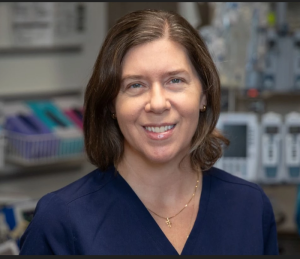
Dr. Suzanne Beno, staff physician in Emergency Medicine and Trauma Co-Medical Director at The Hospital for Sick Children (SickKids), joined EQUIP while leading structural and process improvements within the hospital’s Trauma Program, particularly aiming to reduce overuse of abdominal/pelvic CT imaging in low-risk pediatric trauma patients. Since completing EQUIP, she has continued to distinguish herself as a national leader in pediatric trauma and injury prevention, most recently being honoured with the SickKids President’s Award in recognition of her outstanding contributions to clinical excellence, QI, and system leadership. Through EQUIP, she gained a strong, practical foundation in QI, sharing that “EQUIP provided me with the skills and confidence to approach challenges with a solid QI framework that is grounded, pragmatic and has demonstrated success.” The program reinforced the importance of interdisciplinary collaboration and patient- and family-centred approaches, emphasizing respect for diverse perspectives as central to successful improvement work. She later served as Chair of the Injury Prevention Committee of the Canadian Paediatric Society and has applied QI principles to national policy and to advancing SickKids’ pursuit of Level 1 Pediatric Trauma Centre verification, noting that seeing her EQUIP project succeed and sustain “very much gave me confidence in my ability to lead and mentor other projects.”
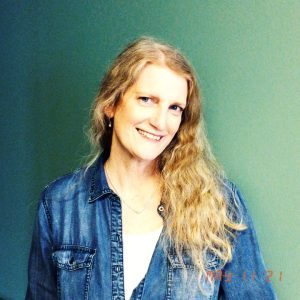 Sandra Walsh is a nursing leader at Women’s College Hospital, where she has served as Co-Chair of the Nursing Advisory Council and is now widely recognized as the departmental “go-to” for (QI). When she joined the CQuIPS Certificate Course for Quality Improvement and Patient Safety, she was in a professional practice nursing role and already deeply engaged in leadership and local QI initiatives. The program fundamentally shifted her approaches to change, helping her move beyond quick fixes to engaging in deeper analysis. “We mostly choose those easy first solutions that come to your mind instead of really digging down deeper into what’s really the problem.” Tangible tools such as process mapping, along with a strong emphasis on patient experience, reshaped her thinking, reminding her that “it is really all about the patient in the end.”
Sandra applied these principles to a cross-disciplinary initiative to eliminate verbal orders, navigating complex power dynamics and building trust across professional groups to implement sustainable change. Since completing the program, she has grown into a confident mentor and informal QI leader, helping colleagues think more critically about proposed solutions and sustainability. She describes gaining “a new way of thinking” that allows her to thoughtfully steer projects in the right direction allowing her to actively builds QI capacity across her department. For Sandra, the Certificate Course stands out for its focus on core principles, manageable projects, and access to national leaders in the field, an experience she considers unmatched in its quality and impact. She has recently served as coaching faculty with the Certificate Course, continuing to share knowledge and building capacity.